Why Does Ireland Want Its Tobacco Tax Deal to Fail?
22nd Oct 2026
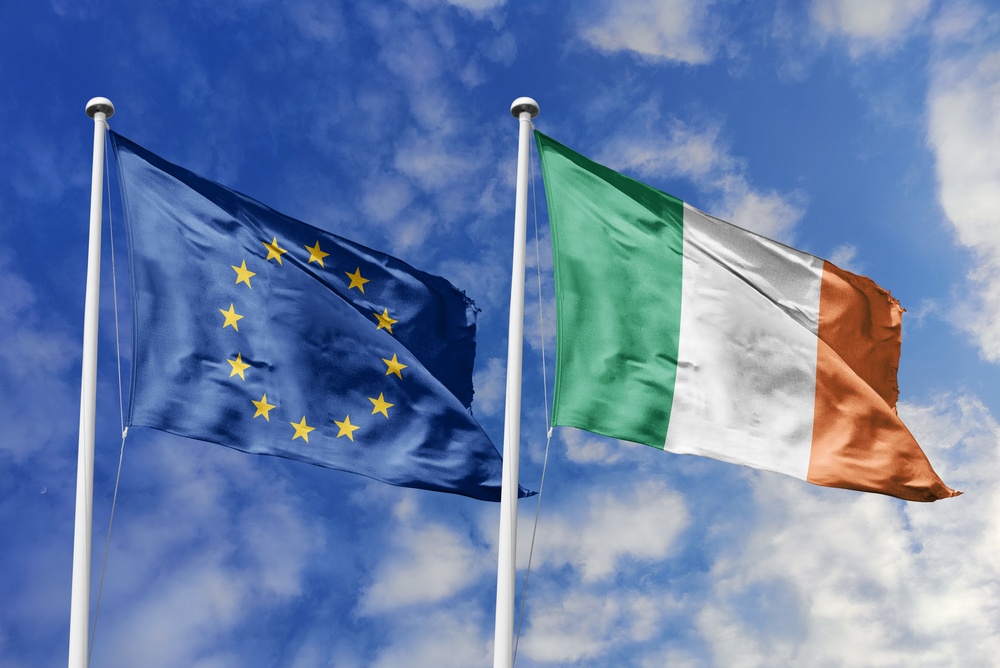
Ireland has the Presidency, a Tobacco Excise Directive to finish and a Swedish veto blocking the road.
If they want to succeed with bringing the EU Member States to a unanimous agreement, its strategic approach is a mystery.
The Irish compromise would eventually impose a minimum tax on nicotine pouches of €80/kg. Ireland must surely know that Sweden will never accept the nicotine tax increasing from around €20/kg to €80/kg. Especially not since Sweden has publicly stated that its tax policy for tobacco and nicotine is founded on the relative risk of the product.
So, what is the strategy? Wait for Stockholm to forget how unanimity works?
Sweden’s objection is rooted in risk. It wants the tax system to maintain a clear distinction between cigarettes and smoke-free nicotine products. Ireland’s proposal would take that distinction and tax it away.
The European Commission’s explanation is revealing. It says higher taxes on newer nicotine products will help “reduce their attractiveness as tobacco substitutes.” Read that slowly!
The EU wants fewer people smoking, but it also wants the products that substitute for tobacco to become less attractive. The cigarette should apparently be expensive, but its alternatives must not be too appealing either.
That is not a public-health strategy. It is a cigarette protection racket dressed up as excise policy.
From harm reduction to harm maximisation
Harm reduction begins with an awkward fact: people use nicotine, but not all ways of using it carry the same risk.
Reject that distinction and the policy does not become neutral. It starts working in the opposite direction.
Tax pouches heavily and their price advantage over cigarettes shrinks. Shrink that advantage and switching becomes less appealing. The cigarette does not become safer. It simply faces weaker competition.
That is harm maximisation: taking products that do not involve combustion and deliberately reducing their attractiveness as substitutes for those that do.
Nobody is suggesting that nicotine pouches should be tax-free. The question is whether the tax bears any sensible relationship to the product’s risk, or whether Brussels simply taxes anything containing nicotine until all products look roughly alike at the checkout. This is not risk differentiation. It is nicotine panic converted into a tax schedule.
Ireland has chosen the wrong opponent
As Presidency, Ireland is supposed to find a landing zone that all 27 governments can accept. Sweden’s position is hardly an eleventh-hour surprise. Its resistance to the taxation of nicotine pouches has already delayed the negotiations, and Ireland has postponed the expected vote while continuing bilateral efforts to secure unanimity.
Yet Ireland continues to hold out €80/kg as a compromise.
A rate four times higher than the Swedish current tax is not a compromise. It is an invitation to veto.
Perhaps Dublin assumes Stockholm will eventually cave. But Sweden is not defending a rounding error. It is defending the principle that taxes should reflect differences in risk. Refusing to recognise that is not strength. It is poor chairmanship that will fail to close the deal.
Ireland Is Holding the Tax Directive Hostage
By maintaining a proposed tax level that Sweden has made clear it cannot accept, Dublin is turning the tax negotiations into a political bargaining chip ahead of the next major battle over EU tobacco and nicotine regulation.
The two directives are separate legislative processes. Yet the current deadlock risks allowing the negotiations over one to influence the political dynamics of the other.
The Irish Presidency has a responsibility to find a compromise that all 27 Member States can accept. Instead, its approach is leaving the Tobacco Excise Directive at a standstill while the debate over TPD3 approaches.
The question is no longer why Ireland cannot secure an agreement. It is what Ireland hopes to gain from the deadlock.