When Nicotine Becomes the Enemy, What Happens to Harm Reduction?
16th Nov 2026
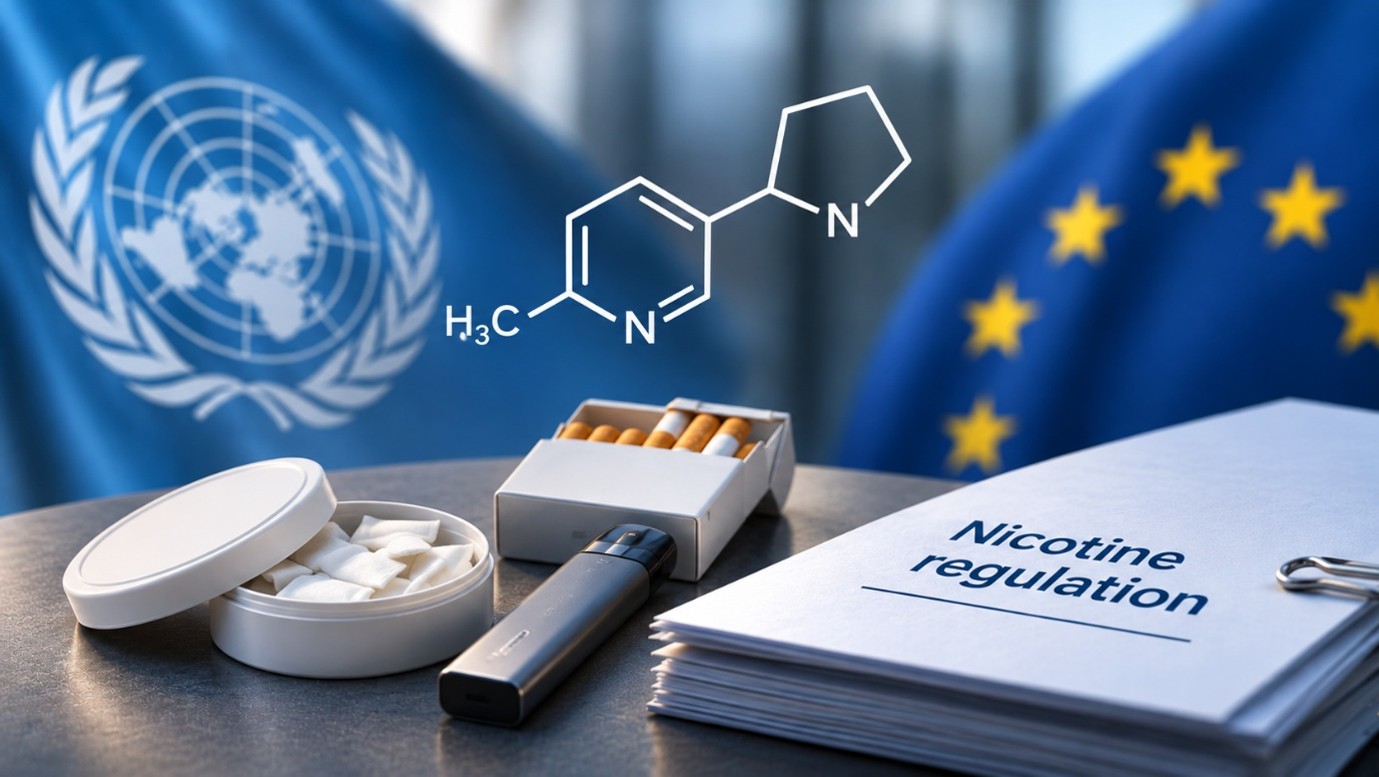
Palau wants nicotine examined under international drug-control rules. But could an effort to restrict nicotine end up making cigarettes more accessible than smoke-free alternatives?
Smoking remains a leading cause of preventable death worldwide.
Now, Palau is calling for nicotine to be examined under the United Nations drug-control framework, potentially taking tobacco control in a very different direction.
As Alan Gorley explored in When the Molecule Becomes the Enemy, the implications could reach pouches, e-cigarettes and other smoke-free products.
Smoking and nicotine are not the same thing
Nicotine is dependence-forming, but the cancer, lung disease and other harms linked to smoking come largely from the toxic substances produced when tobacco burns. Smoke-free products are not harmless, but they do not carry the same risks as cigarettes.
From tobacco control to nicotine control
This is not an international ban. There is a considerable process between requesting a review and introducing binding controls. But under one interpretation, nicotine in smoke-free products could face restrictions while conventional tobacco stays available. That would be a remarkable outcome for a policy meant to protect public health.
Could Europe follow the same path with TPD3?
The EU is not considering UN drug controls on nicotine, but the revision of the Tobacco Products Directive (TPD3) shows similar pressures. The Commission’s evaluation of the current rules flagged the rapid rise of nicotine pouches.
A legislative proposal was schedule but was recently delayed. In October, eight EU countries wrote to Health Commissioner Olivér Várhelyi calling for a broad flavour ban and the option to ban nicotine pouches outright. None of this is a ban yet, and the final text may look very different.
What happens when consumers lose access?
Restricting a product does not eliminate demand. Some consumers may stop using nicotine, but others may buy from unregulated suppliers or return to cigarettes.
“Nicotine use doesn’t disappear because governments restrict it. What changes is whether people get it from regulated shelves or unregulated criminal networks—and that’s a choice policymakers must make.”
Markus Lindblad, Pouch Patrol Communications Director
Don’t lose sight of the real enemy
The goal of tobacco control should be to reduce preventable death and disease, not simply to make every nicotine-containing product disappear. The US Food and Drug Administration recognises a continuum of risk, with combustible products the most harmful, and the Cochrane Collaboration has found high-certainty evidence that nicotine e-cigarettes can help adults quit smoking more effectively than nicotine replacement therapy.
If the fight against nicotine makes cigarettes more accessible than smoke-free alternatives, public health has lost sight of what it was trying to achieve.