Europe’s Nicotine Policies Need a Reality Check
29th Jun 2026

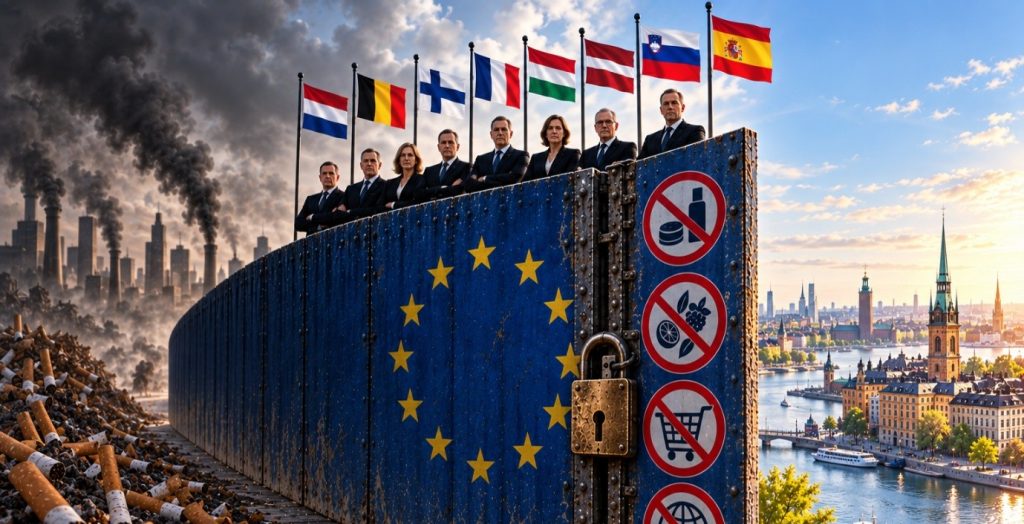
For too long, tobacco control has treated taxes, restrictions, and bans as the only serious tools for reducing smoking. But as Europe prepares its next generation of nicotine rules, that old playbook is no longer enough.
A Challenge to Old Tobacco Control Assumptions
A new scientific editorial is challenging one of the central assumptions behind modern tobacco control: that restrictions alone are enough to keep reducing smoking. For Pouch Patrol, the message is clear. If the EU is now rewriting the rules for tobacco and nicotine products, it cannot ignore the growing body of evidence showing that adult smokers need access to accurate information and lower-risk alternatives.
The article compares the World Health Organization’s traditional MPOWER framework, a restriction-led tobacco control model built around measures such as taxes, restrictions, and bans, with an EMPOWER approach that emphasizes education, risk communication, adult choice, and harm reduction. While MPOWER has helped reduce smoking in many countries, the authors question whether a restriction-led model can reach the adults who still smoke, particularly those in disadvantaged groups.
Why This Matters for TPD3
This matters now because the EU is moving toward major decisions on nicotine policy. The review of the Tobacco Products Directive, often referred to as TPD3, and the proposed revision of the Tobacco Taxation Directive (often referred to as TTD or TED) will shape how nicotine pouches, e-cigarettes, heated tobacco, and other alternatives are regulated across Europe for years to come.
The Policy Choice Is Clear
EU policymakers should not finalize TPD3 or the Tobacco Taxation Directive without seriously considering scientific evidence on harm reduction, consumer behavior, and the role of smoke-free nicotine alternatives in reducing cigarette use.
“Europe has a choice. It can double down on policies designed before today’s products existed, or it can build a modern nicotine framework based on science, proportionality, and the realities of adults who still smoke. TPD3 and the Tobacco Taxation Directive must take evidence like this seriously,” says Markus Lindblad, Pouch Patrol Communications Director.
What a Science-Led Framework Should Do
The EU’s current debate should therefore move beyond whether new nicotine products exist and focus on how they should be regulated. A science-led framework would distinguish between combustible cigarettes and non-combustible alternatives, maintain high product standards, prevent youth access, and preserve adult access to products that may help reduce smoking-related harm.
The Debate Is Already Moving
Thousands of comments collected during the EU’s Have Your Say process show that this is not just an industry position. Scientists, public health experts, and harm reduction advocates are increasingly asking policymakers to consider proportional regulation rather than treating all nicotine products as if they carry the same risk. Countries like Sweden also fight for this approach.
The Bottom Line
Europe does not need another nicotine policy built on outdated assumptions.
As TPD3 and the Tobacco Taxation Directive move forward, policymakers have an opportunity to modernize Europe’s approach. The goal should not be to defend old categories. It should be to reduce smoking-related harm with proportionate, evidence-based rules that match the realities of today’s world.
“Empowerment should be at the heart of Europe’s next nicotine framework. That is how policy can move from simply controlling nicotine to helping reduce smoking-related harm,” says Lindblad.