Good intentions stand in the way of genuine public health
30th Apr 2026
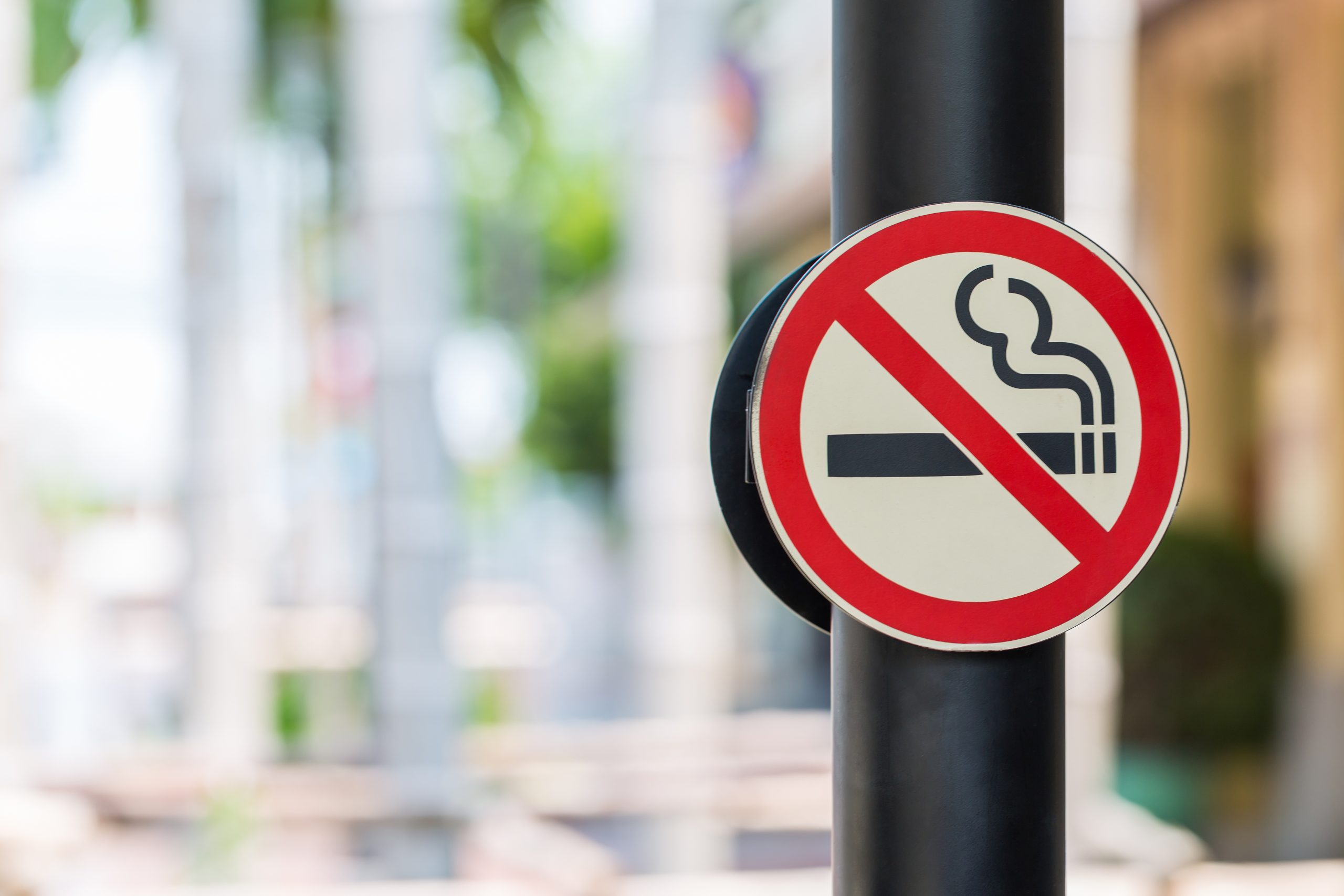
The ambition to reduce smoking is, at its core, self-evident. Cigarette smoking remains one of the largest preventable causes of disease and premature death worldwide. Yet international experience shows that the path to achieving this is far from straightforward – and that well-intentioned political decisions can, in practice, absolutely do more harm than good.
There is a saying: “The road to hell is paved with good intentions.” Rarely has it been more fitting than when it comes to the moral panic surrounding future nicotine regulation, not least in Europe.
A recurring challenge in public health policy seems to be the fear of being associated with the historical image of the tobacco industry. That fear is understandable. But when it leads decision-makers to stop listening to research, ignore actual outcomes, and refuse to distinguish between products with radically different risk profiles, the consequences become serious – both for public health and society as a whole.
“The problem is that symbolic politics and the fear of guilt by association are often allowed to weigh more heavily than what we actually know works in real life. That also means smokers stop being seen as people who need realistic alternatives to quit for good,” says Markus Lindblad, Head of Communications at Pouch Patrol.
Different paths – different results
Countries around the world have chosen very different strategies to reduce smoking, providing a rich basis for comparison. In some countries, cigarettes remain completely legal while less harmful alternatives such as e-cigarettes, snus and white snus are banned or severely restricted. In others, flavours have been banned out of fear that they will attract young people – without considering how crucial flavours are for adult smokers trying to quit.
We have also seen how bans on online sales are justified by child protection, despite research clearly showing that minors mainly access nicotine products via physical shops or through friends – not from online purchases. The result is not reduced use among young people, but worse access for adult consumers who want to make less harmful choices.
The problem is especially clear when attempts are made to regulate nicotine away with extremely low nicotine limits. When products stop working for smoking cessation or fail to satisfy an already existing addiction, the gap is quickly filled by illegal trade and smuggling. The winner is usually organised crime – not public health, which was the intended purpose of restricting nicotine strength.
What does the research say about relative risks?
A fundamental fact in epidemiology is that different nicotine products entail very different health risks. The vast majority of the harm from smoking comes from combustion, not from nicotine itself. This is well established in literature and summarised clearly in the often-cited comparative study by Murkett et al, in which cigarettes, chewing tobacco, e-cigarettes, snus and nicotine pouches are analysed in terms of relative risks.
The study shows that smoking is by far the highest in terms of risk level, while smoke-free nicotine products – especially vapes and snus – are much lower on the risk scale. The lowest of all is white snus. To regulate these products as if they were as dangerous as cigarettes is not risk-based public health policy, but ideologically based activism.
“If the goal is to reduce disease and death, we must dare to rank risks. Pretending that all nicotine is equally dangerous is scientifically wrong and costs lives,” says Markus Lindblad.
Australia – a cautionary tale
These tensions are clearly illustrated in, for example, the article Has Australia lost control of its tobacco and nicotine markets?, published in the journal Addiction by Borland, Martin, Jegasothy, Youdan and Hall. The authors analyse the consequences of Australia’s tobacco policy, where extremely high tobacco taxes are combined with e-cigarettes only available by prescription. A public health policy entirely based on WHO recommendations.
The results are remarkable. The decline in smoking has stagnated – and may even have reversed. At the same time, it is estimated that at least half of all cigarettes and an overwhelming majority of vapes are now sold on the illegal market. The illegal tobacco and nicotine trade in Australia is described as larger than the combined illegal markets for cannabis, cocaine, heroin and ecstasy.
The consequences are not only multi-billion pound losses in tax revenue, but also violent crime, arson attacks on shops and rapidly increasing costs for police and the justice system. The authors also warn that limited access to less harmful alternatives can lead to increased cigarette smoking – especially among young people.
When pragmatism works
The contrast with countries like Sweden and New Zealand is sharp. Both have high tobacco taxes and regulated markets, but simultaneously allow alternative nicotine products within clear public health frameworks. The result is a faster reduction in smoking, lower smoking-related mortality and significantly less illegal trade.
Sweden is on the way to being smoke-free, not through prohibition, but through pragmatism. New Zealand has rejected Australia’s prohibition model and has seen markedly better outcomes in a shorter time.
Public health in the real world
The idea of a completely nicotine-free society may sound appealing, but is in practice unrealistic. People have used nicotine in various forms for hundreds of years – much like alcohol and sugar. History shows that total bans rarely work; it is an unattainable utopia that only a few still seem to believe in. What does work in practice is steering consumption away from the most harmful forms of nicotine use.
When the fear of making mistakes leads to policies that do nothing at all – or do the wrong things – it is time to pause. Instead of reinventing the wheel, decision-makers should study the countries that have actually succeeded in reducing smoking, disease and death.
“The question is not what sounds best in theory, but what actually works in practice. Recognising relative risks is not giving up on public health. It is taking it seriously,” concludes Markus Lindblad.